

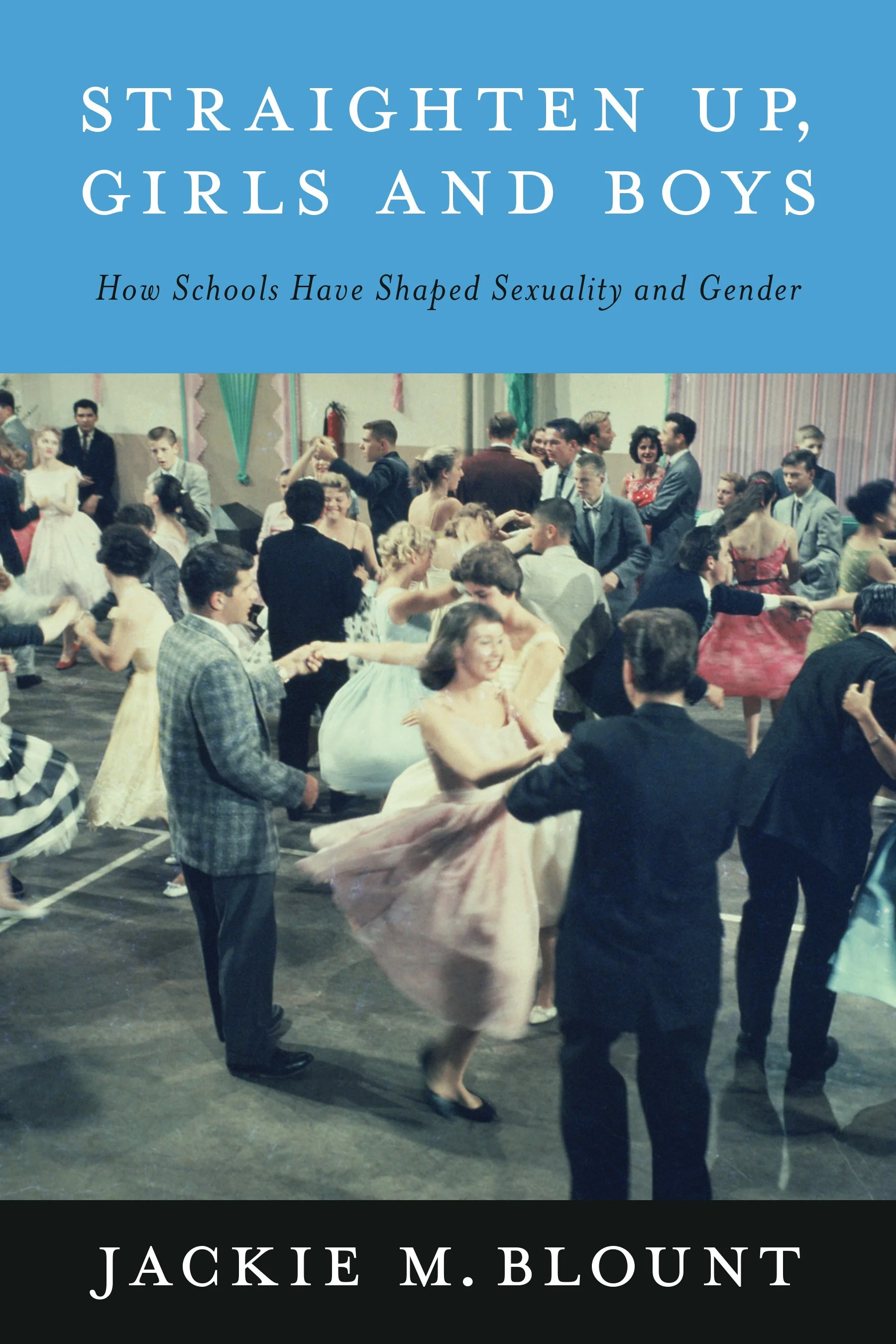
Straighten Up, Girls and Boys:
How Schools Have Shaped Sexuality and Gender
Why I Wrote This Book—
Schools have become flashpoints in fierce battles over sexuality and gender norms. These struggles are not new, however. Schools have always shaped such norms by endorsing some forms of gendered and sexual expression while policing or punishing—especially those of LGBTQ+ students and educators. And sometimes students and educators have pushed back, too. Nonetheless, many of these regulatory practices have become so deeply woven into the fabric of schooling that they often evade easy detection. They continue to shape who feels welcome in school, who must conceal essential parts of themselves, and who is pushed to the margins. By carefully excavating these embedded norms and layered practices, we can better understand their historical origins, evolution, and enduring impact. And with that understanding, we can more effectively dismantle their hold—building schools where every student and educator, regardless of gender or sexuality, can thrive openly, authentically, and without fear.
In Straighten Up, Girls and Boys, I explore three interconnected histories of how schools have regulated sexuality and gender: the design and control of physical spaces, the hiring and treatment of educators, and the shaping of curriculum. Each area reveals how schooling has tried to define, constrain, and enforce gender and sexual norms. I then draw these histories together to identify powerful patterns that inform current debates. Finally, I propose historically grounded strategies and practical actions to help create more inclusive, equitable educational environments for all.
Available from Harvard Education Press.
Chapters:
Ch. 1 Space
Ch. 2 Educators
Ch. 3 Curriculum
Ch. 4 Patterns
Ch. 5 Action

Chapters:
Ch. 1 Space
Ch. 2 Educators
Ch. 3 Curriculum
Ch. 4 Patterns
Ch. 5 Action
Ch. 1 Space
School spaces have long been designed to shape how students understand gender and sexuality. Historically, schools have excluded or segregated students by binary gender. They also have brought girls and boys together in carefully regulated ways. Even when students shared classrooms, hallways, or activities, schools often maintained physical or symbolic boundaries that reinforced gender distinctions. Only in recent decades have some schools begun to question these arrangements and to imagine more fully gender-neutral and gender-equitable environments.
In this chapter, I trace these longer historical patterns and then turn to one particular kind of space—school bathrooms—to make them especially visible. By examining how these typically binary facilities developed, I show not only how gender separation began and then became normalized, but also how other viable historical paths existed—paths that might have produced more inclusive possibilities than those most schools ultimately adopted.
Chapters:
Ch. 1 Space
Ch. 2 Educators
Ch. 3 Curriculum
Ch. 4 Patterns
Ch. 5 Action
Ch. 2 Educators
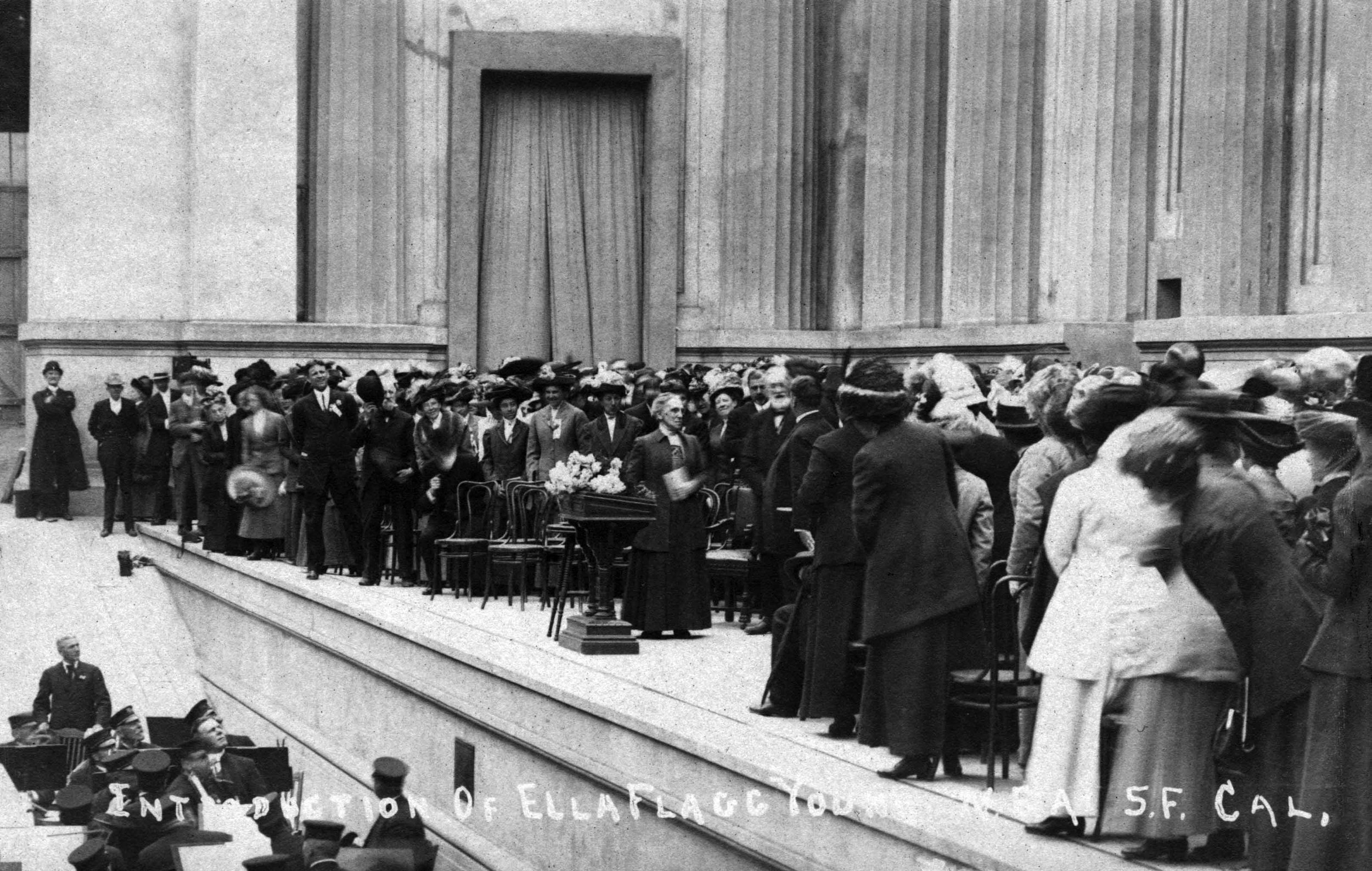
What does it mean to be a “proper” educator—and who gets to decide? In this chapter, I explore how the roles and personal lives of teachers and administrators alike have long been shaped and often constrained by school expectations. As teaching shifted from a mostly male to a largely female profession, scrutiny of educators intensified, extending beyond the classroom into questions about their character, relationships, and sexuality. Unmarried teachers, especially women, were frequently viewed with suspicion and sometimes accused of moral or sexual wrongdoing. Unmarried men were ever more rarely chosen for superintendencies. Through key historical moments, from Cold War-era campaigns against LGBTQ+ educators to landmark legal challenges and waves of activism, I show how educators were not only targeted by these pressures but also pushed back against them. In the process, I describe how efforts to regulate educators’ gender and sexuality have deeply influenced school policies, daily practices, and professional norms, while continuing to shape debates about LGBTQ+ inclusion in schools today.

Chapters:
Ch. 1 Space
Ch. 2 Educators
Ch. 3 Curriculum
Ch. 4 Patterns
Ch. 5 Action
Ch 3 Curriculum
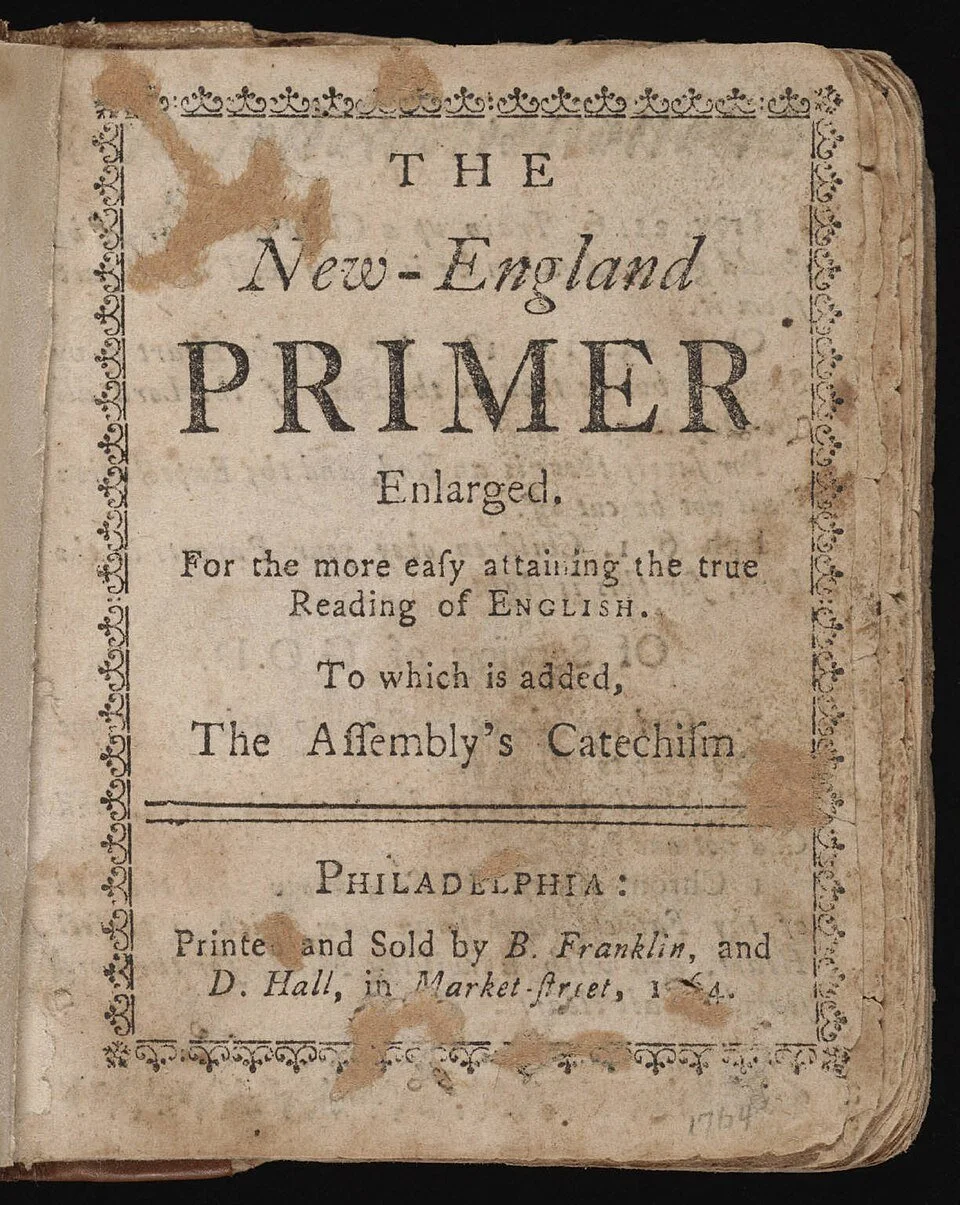
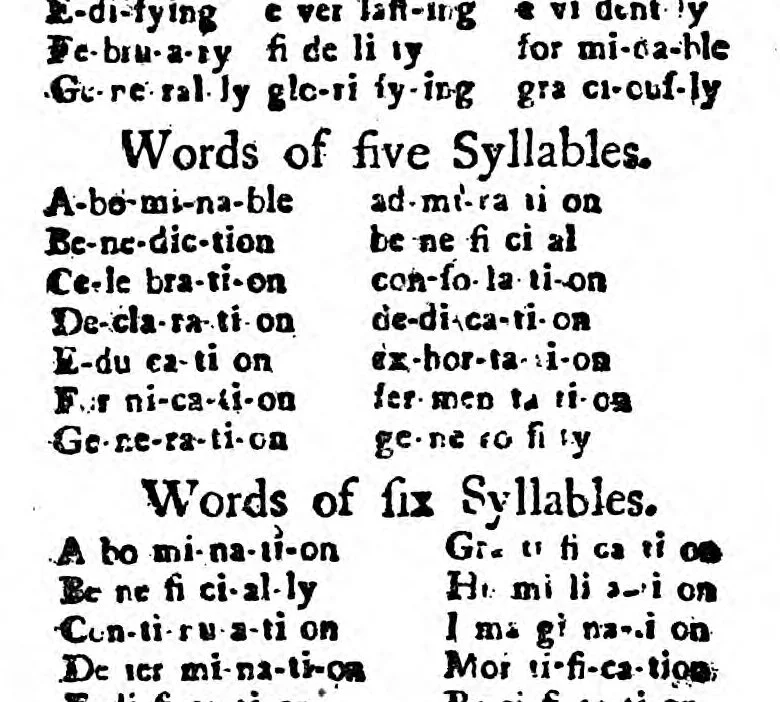
What students learn in school—and what they don’t—has never been neutral. In Chapter 3 I explore how curriculum has been shaped to reflect and reinforce ideas about gender and sexuality. Moving across time, from early textbooks to today’s debates over LGBTQ+-inclusive content, I examine not only what schools explicitly teach, but also the lessons conveyed indirectly and the topics left out altogether. I devote special attention to sex education, a particularly revealing area where innovation and controversy have often gone hand in hand. Across these examples, I trace recurring cycles of reform and backlash, showing how curricular decisions both respond to and shape broader cultural tensions. In the end, curriculum has long been a central arena in which schools define—and contest—norms around gender and sexuality.
Chapters:
Ch. 1 Space
Ch. 2 Educators
Ch. 3 Curriculum
Ch. 4 Patterns
Ch. 5 Action
Ch 4 Patterns
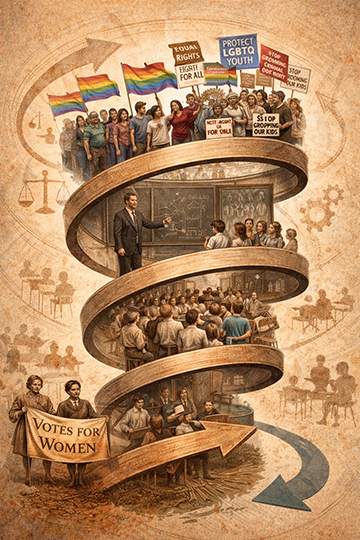
When we step back from the details, what patterns begin to emerge? In Chapter 4, I bring together the book’s earlier threads to reveal larger forces that have shaped how schools regulate gender and sexuality. Tracing seven key turning points, from the rise of coeducation to today’s cultural conflicts, I highlight a recurring tension between efforts to expand inclusion and those seeking to preserve traditional norms. Along the way, I explore several enduring themes: the cycle of progress and backlash, the idea of “protection” as both care and control, and the ways these struggles parallel efforts to regulate race, class, disability, and other identities. By identifying these patterns, I offer a broader lens for understanding the present—and for thinking more clearly about how schools might move toward greater equity and inclusion.
Chapters:
Ch. 1 Space
Ch. 2 Educators
Ch. 3 Curriculum
Ch. 4 Patterns
Ch. 5 Action
Ch 5 Action
If these patterns have persisted over time, how have people worked to change them—and what can we learn from their efforts? In Chapter 5 I turn to the individuals and communities who have pushed back against restrictive norms and worked to build more inclusive schools. From early advocacy for gender equality to today’s struggles for LGBTQ+ rights, I highlight the sustained efforts of educators, students, legal advocates, researchers, and community organizations to challenge discrimination and expand opportunity. Drawing on these histories, I identify practical, proven strategies for creating more equitable policies and practices. I also underscore the resilience required in the face of renewed opposition, offering lessons that can guide ongoing efforts to ensure that schools are places where all students and educators are recognized, supported, and protected.
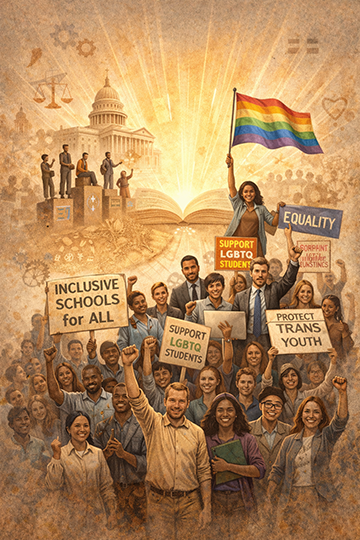
Image Credits
Ch 1 panel: Sunset School Privies, WV, October 7, 1921, Library of Congress, https://www.loc.gov/pictures/item/2018678289/; J.L. Mott Iron Works, Warming, Ventilating and Sanitary Appliances for Public Schools. (J. L. Mott Iron Works, 1895), p. 24, https://catalog.hathitrust.org/Record/102485288; RefugeRestrooms.org.
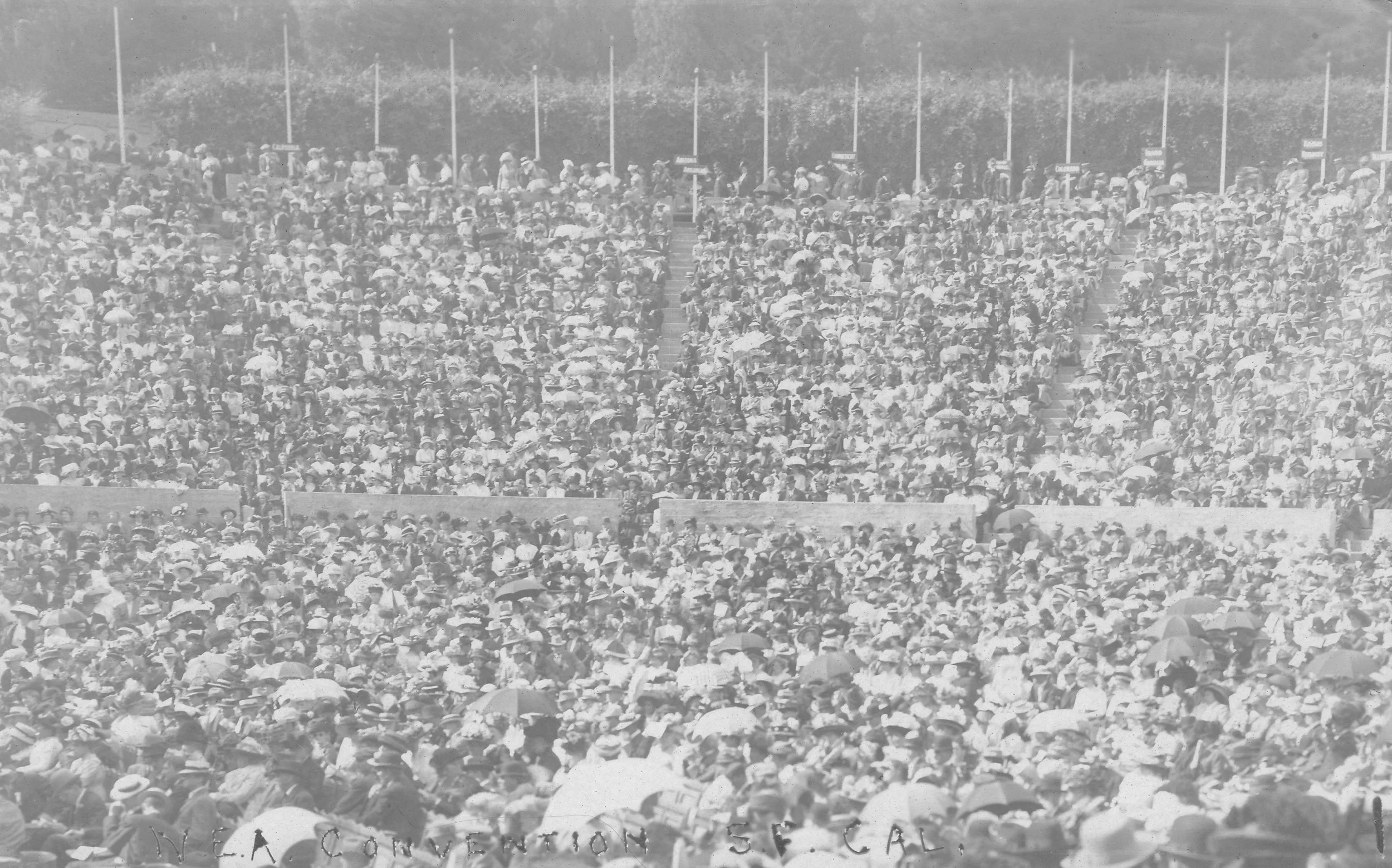
Ch 2 panel: President Ella Flagg Young, 1910 NEA conference, from historic post card in my personal collection. Background: Another post card in my collection, but of NEA attendees that year.
Ch 3 panel: Title page of New England Primer — By Philadelphia: Printed and sold by Benjamin Franklin and D. Hall, in Market-street. The New-England primer enlarged. For the more easy attaining the true reading of English. To which is added, the Assembly's catechism. (partially digitized) from Beinecke Rare Book and Manuscript Library, Yale University, Public Domain, https://commons.wikimedia.org/w/index.php?curid=14634426. Inset image of “Words of five Syllables”: 188? edition, https://catalog.hathitrust.org/Record/100753524, p. 18 of pdf.
Ch 4 panel: ChatGPT-generated.
Ch 5 panel: ChatGPT-generated.